Showing posts with label World War II. Show all posts

Thursday, April 16, 2009

Big Mike: Everybody Has The Same Moon

Vincenzo Parello was my grandfather. My father and uncles all called him Jim, which I could never figure out. He lived with us until shortly before he died in 1966. He sat in an old, rickety rocking chair in the tiny back porch of our Natchez Avenue home, never rocking and never sitting back in it, either. He perched himself forward in the seat, his elbows on the arm rests, as if waiting to jump up and do something.

Not that he had much to do by that time. His days were occupied mainly by listening to the birds chirp on the utility lines along the alley next to the house. That and waiting for the garbagemen to come by. He was drawn to the garbagemen, as was I.

The sound of the garbage truck, still a block or more away, would prick up the ears of the two of us, separated in age by some 70 years. In those days, people threw their garbage into round, metal 55-gallon drums. After the garbagemen emptied each, they'd let it bounce on the ground, creating an echoing boom. I'd mimic the noise as the garbage truck came closer: boom, boom, boom.

Jim never failed to laugh at that. In his thick Sicilian accent, he'd say, "Mockie! Gah-bidge-ah can boom!"

Jim always had some tiny bit of garbage wrapped in a brown paper grocery bag. For reasons known only to himself, he kept his garbage separate from the rest of the family's. As soon as the garbage truck turned the corner behind our garage, Jim'd jump out of his rocking chair and toddle, bow-legged, through the backyard, waving. He'd hand his garbage to one of the crew and then engage them, whether they wanted to be or not, in a broken-English conversation - or more accurately, soliloquy.

Every once in a while, Ma would shake her head and ask, "Pa, why don't you leave them alone?"

Jim would look at her as if she were daft. "D'ey-ah my friends-ah!" he'd insist.

The beer truck drivers were also his friends. Jim's ears would prick up every other day when he heard the Hamm's truck come by, stopping at all the bars and restaurants across the alley. Again, he'd toddle through the backyard, waving. This time, though, he'd press a couple of dollars into the driver's hand in exchange for a case of beer. He never needed to explain his relationship with the Hamm's drivers to Ma.

At night, Jim would sit in the rocking chair and sip beer after beer out of a heavy, clear glass mug. Often, I'd stand between his knees, my butt leaning on the edge of the seat, as he imbibed. The aroma of the beer was intoxicating. Every once in a great while, Jim would let me take the tiniest sip out of his mug. I felt like the luckiest kid in the world.

It was odd that I remember the smell of the beer. Ma tells me that poor old Jim smelled like a goat. I don't remember that. She'd fight with him for days on end to take a bath. Once, he'd been working in the garden and Ma refused to let him sit at the dinner table until he washed his hands. He did so, in what seemed record time. Suspicious, Ma marched into the bathroom and fetched the erstwhile clean, white towel upon which he'd wiped his hands. She held it in front of him. "Look, Pa! Look! It's black!" she exclaimed.

Jim was defeated. After dinner, he sat in the tub. He refused to use soap, though. He claimed the smell of soap made him nauseated. Ma still shakes her head when she recalls scrubbing the ring he left.

He came from the rural outskirts of Agrigento, where daily baths and deodorant soaps were unheard of. As a nine-year-old, he went to work in the local sulfur mine. The sulfur dust was so corrosive that it could eat away at his clothes in a matter of days. Nobody could afford that so he and the rest of the mine crew - grown men and children - worked in the nude.

By the time he was 20, he found himself in an arranged marriage to an energetic girl named Anna Lazzara. The couple moved to America, settled in Little Sicily around Grand and Ogden avenues, and opened a corner grocery. Jim ran a bathtub gin and wine operation in the back room. Eventually, he began to take a jug of his homemade wine into the basement, where he kept a cot, and drank himself to sleep.

To Anna, Jim was a cafone. The mere sight of him turned her stomach. Still, they had seven kids. She divorced him after the kids had grown up. He always carried a torch for her, though.

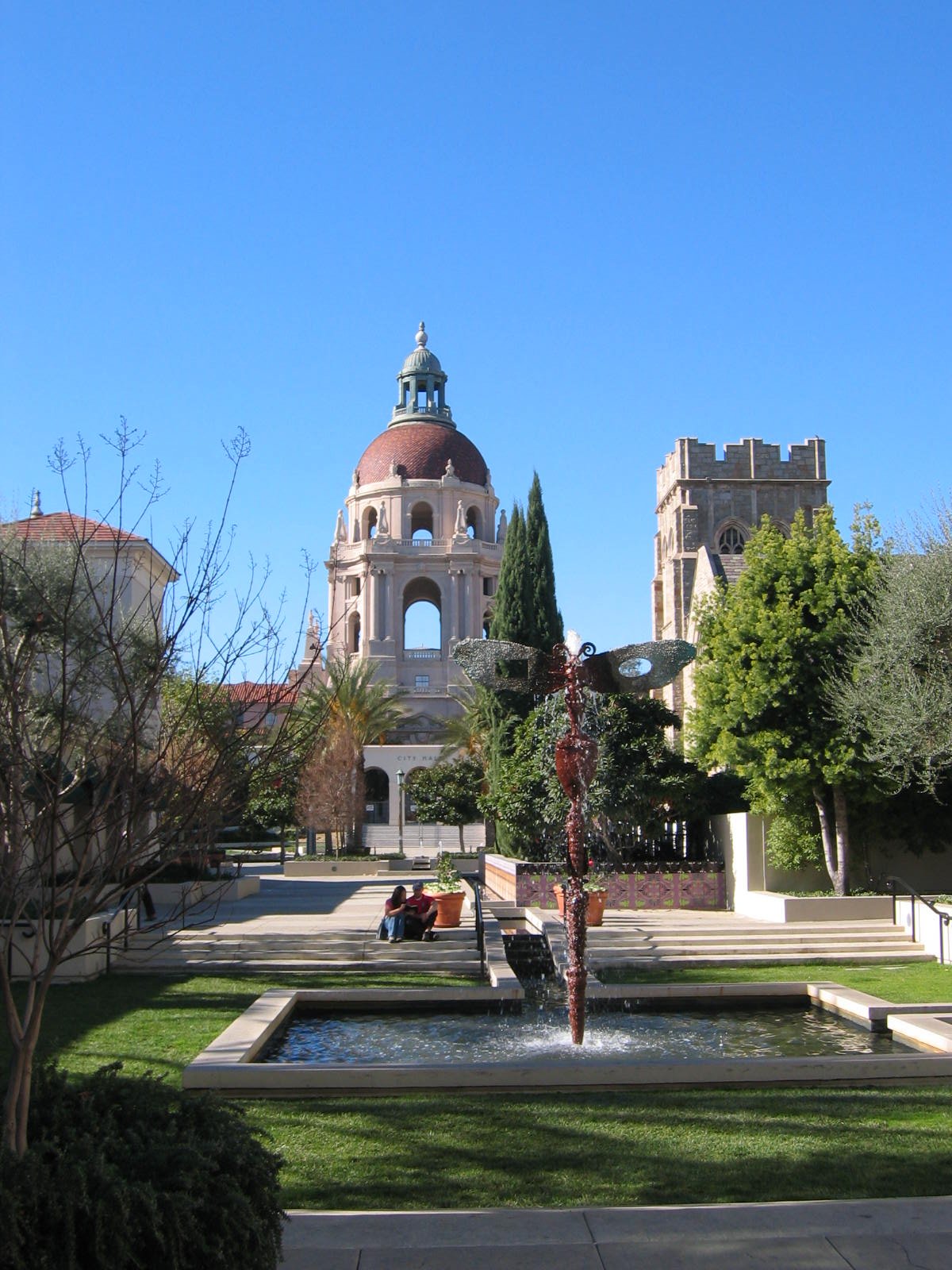
One night, Jim, Ma, and I all sat in lawn chairs in the backyard, watching the dark sky and hoping to catch a glimpse of Telstar or Echo, early artificial satellites. A thumbnail moon was about to set in the west. Jim didn't know much about geography but he knew that Anna was in the west. She'd moved to Pasadena after the divorce because its weather reminded her of Sicily.

Jim stared at the moon for a few minutes and then broke the silence. "Susie," he asked Ma, "does-ah you mother have-ah the same moon in Kahleefornyah?"

He never learned to read or write. But one day, curious, I rifled through his belongings and found an orange booklet resembling a passport. It had his picture in it and his X on the signature line. The cover read "Enemy Alien Registration." For a hot minute, I imagined my beloved, simple Grandpa was a spy. What was I to do? Turn him in? I'd never get to sip his beer again. Tearfully, I confronted Ma with my discovery.

Ma roared. Grandpa had never become a citizen, she explained. During World War II, Japanese, German, and Italian nationals had to register so the government could keep tabs on them. She assured me Jim was a true-blue American. What a relief!

Vicenzo Parello died on April 9, 43 years ago. Every time I see the garbagemen, I think of him.

Wednesday, March 25, 2009

Letter From Milo: A Well Earned Rest

I went to a memorial service this past Tuesday for a dear friend who passed away at the biblical age of 101. His name was Morris "Morrie" Rosengard and he was the oldest man I ever knew.

How in the hell does someone live to be 101? I've read articles and seen news stories about people who have lived for more than a century and when asked about the secrets to their longevity they always say something like, Never had a drink in my life. Don't smoke. Went to bed early. Didn't eat red meat. Went to church twice a day.

That wasn't Morrie, not even close. Morrie liked to drink, smoke cigars, and eat red meat. For all I know he had impure thoughts, too. His favorite vice, however, was gambling - cards, horses, sports, casino games - he loved them all. That's how I met him, at a poker game, more than 30 years ago. His nephew, Bruce Diksas, was hosting the game. Bruce had been telling me stories about Morrie for years. I had expected to meet a colorful character and I was not disappointed.

Morrie was a pharmacist by trade. For years he had a drugstore in Bridgeport. Rumor had it that as well as filling prescriptions, Morrie ran a 24-hour, high stakes poker game out of the back room of his store. That may or may not be true, but it was true to his character.

Morrie was a wonderful man, but he was no angel. Some of the people he associated with were not candidates for sainthood either. He was friendly with people whose names you'd regularly see in the newspapers, and I'm not talking about the society pages. He knew "connected" people, bona fide members of the Chicago Outfit, guys who made their livings the hard way and often took long vacations at government expense.

Once, at a wedding, a short, stocky man came up to Morrie and chatted with him respectfully for a few minutes. When the man left, Morrie leaned over to Bruce and whispered, "That's the meanest man I ever met in my life." Coming from Morrie, who had rubbed shoulders with some of the toughest, most brutal men in Chicago, that was high praise indeed.

As a matter of fact, in the 1960s, Morrie had some legal problems of his own. But they were just bumps in the road. He took them in stride, just like everything else in his life. Not much fazed Morrie.

I was in my 20s when I met Morrie and he was already close to 80. He was born in 1908, the last year the Cubs won the World Series. He lived through World War I. He saw Ty Cobb play baseball. He roared through the Roaring 20s and survived the Great Depression. He served his country honorably in World War II. The US Army was in dire need of pharmacists, men trained and experienced in the phamacological arts. When I asked Morrie what he did during the war, he replied, "I passed out rubbers at Pizmo Beach, California."

Morrie lived through VE Day and VJ Day. He lived through the Korean War, the War in Vietnam and the wars of George Bush. He was born when Teddy Roosevelt was president and lived long enough to see Barack Obama inaugurated. He was around when horses were the main means of transportation and when Neil Armstrong took a stroll on the moon. He had, literally, seen it all.


I made it a point to call Morrie on his birthdays. I had a nice chat with him on his 100th birthday. When I called him on his 101st, his wife sadly informed me that Morrie was in the hospital. He had fallen down the day before and broken both of his legs. When I asked how he was doing, she said, "He knows what he's up against."

Morrie was a gambler, someone who knew the odds and understood probabilities. He knew what was coming. But even the most cold-blooded, experienced gambler sometimes relies on luck. Maybe, just maybe, he might spike an ace on the river. Unfortunately, Morrie's long run of good luck had finally run out. There was no miracle ace.

I was honored when Morrie's family asked me to make some comments at his memorial. Here is a transcript of my remarks.

I guess everybody here knows that Morrie enjoyed a friendly game of cards on occasion. I also understand he was very fond of horses, although I don't know for a fact that he ever sat on a horse. I met Morrie more than 30 years ago at a poker game. He was introduced to me by his nephew, Bruce Diksas, who was hosting the game.

Bruce told me a lot about Morrie over the years. I felt like I knew him before I ever met him. When I did finally meet Morrie, I was impressed. He was smart, friendly, a good conversationalist, and a real gentleman. I've considered him a friend ever since.

I didn't see Morrie as often as I liked. Usually it was just a few times a year, at card games, the race track or small gatherings. But every time I ran into him, he brought a smile to my face. Some people are like that, they just have a natural magnetism that draws people to them.

Anyway, I want to get back to our friendly games of cards. Despite being more than twice as old as most of the players, Morrie was usually the first to arrive and the last to leave. And when he left, he usually left with more money than he came with. I should know, a lot of that money was mine.

Now, some people will say that Morrie lived a good life, a long life, an interesting life. I agree. He had a good run. But as far as I'm concerned he left us too early, because now I'll never be able to win my money back.

I'd give almost anything to sit down at a card table with Morrie again, and watch him sip his scotch, smoke his cigars, laugh at a good story, or tell one himself. He was wonderful company and I'll miss him dearly. It was an honor and a pleasure to know him. Rest in peace, old friend, you deserve it.